
Gemstone
How to Identify Genuine Ethiopian Opal: Key Differences Between Real and Fake Stones
Nov
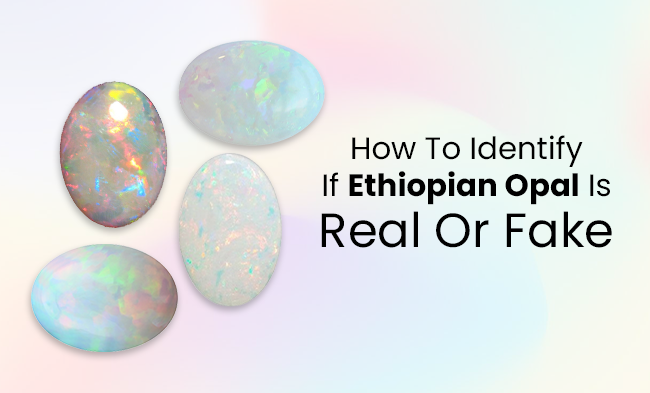
Ethiopian Opal has earned a special place in the gemstone world thanks to its remarkable play-of-colour, vibrant patterns and natural beauty. From flashes of fiery red and orange to brilliant blue, green and rainbow-like reflections, this gemstone offers an extraordinary visual experience that makes it popular among jewellery designers, collectors and gemstone enthusiasts.
Despite its growing popularity, identifying an authentic Ethiopian Opal can be challenging, particularly for first-time buyers. Synthetic opals, imitation stones and treated materials are widely available in the gemstone market, making it important to understand the characteristics of natural opal before purchasing.
Whether you are considering an Ethiopian Opal for a jewellery collection, personal use or gemstone investment, knowing how to distinguish a genuine stone from an imitation can help you make a more informed decision.
Understanding Ethiopian Opal: Origin, History and Characteristics
Ethiopian Opals are natural silica-based gemstones primarily sourced from different mining regions of Ethiopia. The country’s opal deposits gained international attention following discoveries in the 1990s.
The Northern Shewa region was among the earliest known sources, while the Welo region later became particularly famous for producing attractive hydrophane opals with exceptional colour play.
Welo Opals are especially interesting because they can absorb water due to their porous structure. This characteristic may temporarily change their appearance, transparency and weight when exposed to moisture.
Natural Ethiopian Opals generally have a Mohs hardness of approximately 5.5–6.5, although durability can vary depending on their structure and water content. Unlike crystalline gemstones such as diamonds and sapphires, opal has an amorphous silica structure.
Ethiopian Opal Colours and Visual Appeal
One of the most attractive features of Ethiopian Opal is its extraordinary colour variation. Depending on the deposit and individual stone, it can display several body colours, including:
- White and colourless
- Orange and honey yellow
- Pink and red
- Blue and green
- Brown and dark body tones
Its most recognisable feature is play-of-colour, a natural optical effect in which flashes of different colours appear as the gemstone is viewed from different angles.
Some stones display broad flashes of colour, while others feature intricate patterns resembling flames, pinpoints, rolling flashes or colourful patches. This natural variation makes every opal visually distinctive.
Symbolism and Metaphysical Beliefs
Throughout gemstone traditions, Ethiopian Opal has been associated with creativity, emotional expression, love and good fortune. Some crystal enthusiasts also connect it with inspiration, intuition and personal transformation.
In metaphysical practices, opal is sometimes associated with emotional balance and the Sacral Chakra, which is traditionally linked with creativity and self-expression.
However, these healing and spiritual associations are based on traditional beliefs rather than established scientific evidence. Ethiopian Opal should be appreciated primarily for its natural beauty and gemstone characteristics, not as a medical treatment.
Real vs Fake Ethiopian Opal: 6 Ways to Identify Authenticity
Identifying genuine Ethiopian Opal requires examining its colour patterns, internal structure, surface characteristics and overall quality. Here are six important checks buyers should consider.
1. Examine the Natural Play-of-Colour
The colour display is one of the first characteristics to examine.
Natural Ethiopian Opals typically show changing flashes of colour as the stone moves under different lighting conditions. Their patterns can range from scattered colour patches to dramatic flashes across the surface.
By comparison, some imitation opals display repetitive patterns, overly regular colour arrangements or a painted appearance.
However, natural opals can also have highly organised patterns, so irregularity alone cannot confirm authenticity.
2. Check the Internal Structure
A closer examination under magnification can reveal useful clues.
Natural opals may contain internal variations, colour zones, inclusions or subtle structural features. Synthetic opals can sometimes show distinctive columnar or snakeskin-like patterns, depending on their manufacturing process.
Glass imitations may contain round bubbles, while assembled stones can reveal visible layers or a seam between different materials.
A professional gemologist can examine these features using appropriate magnification and testing equipment.
3. Understand the Hydrophane Characteristic
Many Ethiopian Welo Opals are hydrophane, meaning they can absorb water through their porous structure.
When exposed to moisture, some stones may temporarily become more transparent or change in appearance and weight. Their original appearance generally returns as they dry.
This characteristic can help identify certain Welo Opals, but it is not a recommended home authenticity test. Not all Ethiopian Opals are hydrophane, and soaking a gemstone can damage some specimens or affect treatments and assembled jewellery.
4. Observe the Surface and Texture
Natural Ethiopian Opal generally has a smooth, polished finish with a distinctive vitreous to waxy appearance.
Buyers should look carefully for:
- Scratches or surface damage.
- Visible coating or colour inconsistencies.
- Unusual bubbles or mould-like structures.
- Signs of glued layers or assembled construction.
A plastic imitation may feel different from natural opal, but touch and surface appearance alone are not reliable ways to establish authenticity.
5. Consider the Price and Seller’s Reputation
Price is another important consideration when purchasing Ethiopian Opal.
The value of a genuine stone depends on several factors, including colour intensity, pattern, transparency, body tone, size, condition and overall quality.
An unusually low price for a supposedly rare, high-quality specimen should encourage buyers to investigate further. However, not every inexpensive opal is fake, as commercial-grade natural stones are also available at affordable prices.
Always purchase from an established gemstone dealer who provides accurate information about origin, treatments and whether the stone is natural, synthetic or assembled.
6. Request Professional Gemstone Certification
For expensive Ethiopian Opals, professional testing is the most dependable way to establish authenticity.
A recognised gemological laboratory can examine the gemstone’s material, natural or synthetic origin, treatments and construction.
Before completing a high-value purchase, request a detailed gemstone identification report. Buyers should also check whether the report refers to a solid natural opal rather than a doublet, triplet or synthetic imitation.
Important Difference Between Natural, Synthetic and Treated Ethiopian Opal
Not every stone that looks different from an untreated opal is necessarily fake. Understanding the different categories is important.
| Category | Key characteristics |
|---|---|
| Natural Ethiopian Opal | Formed naturally and displays genuine opal characteristics |
| Synthetic Opal | Manufactured in a laboratory with opal-like material and colour play |
| Doublet | Natural opal layer attached to a darker backing |
| Triplet | Thin opal layer protected by a transparent top layer and dark backing |
| Treated Opal | Natural opal whose appearance has been modified through treatment |
Doublets and triplets can contain genuine natural opal, but they should be accurately disclosed and priced according to their construction.
How to Care for Ethiopian Opal Jewellery
Ethiopian Opal requires careful handling because of its relatively low hardness and, in many cases, porous structure.
Follow these precautions to maintain its appearance:
- Avoid prolonged exposure to water, particularly for hydrophane opals.
- Keep the gemstone away from perfumes, detergents and harsh chemicals.
- Avoid ultrasonic and steam jewellery cleaners.
- Protect it from sudden temperature changes.
- Store it separately from harder gemstones to prevent scratches.
- Clean gently using a soft, dry cloth, following the jeweller’s care recommendations.
For jewellery pieces containing Ethiopian Opal, professional cleaning advice is preferable to experimenting with household cleaning products.
Final Thoughts
Ethiopian Opal is much more than a colourful gemstone. Its fascinating optical effects, distinctive patterns and natural variations make it an attractive choice for contemporary jewellery and gemstone collections.
However, its popularity also makes informed purchasing essential. Examining the play-of-colour, checking for signs of synthetic construction, understanding hydrophane behaviour and purchasing from reputable dealers can help buyers avoid common imitations.
Ultimately, the best way to confirm whether an Ethiopian Opal is genuine is through professional gemological examination, particularly when purchasing an expensive or collectible stone. A reliable identification report, combined with transparent seller information, offers far greater confidence than appearance-based tests alone.
